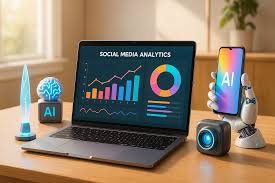
The best new AI tool launches are those that offer groundbreaking capabilities in areas like generative content, advanced analytics, and personalized user experiences. These tools often represent significant leaps in efficiency, creativity, or problem-solving, making complex tasks simpler and unlocking new possibilities for businesses and individuals.
What Are The Latest AI Tool Launches?
Artificial intelligence is changing super fast. New tools come out all the time. These tools help us do things better.
They can also help us do things we couldn’t do before. Think about making art, writing code, or understanding big amounts of data. AI is making these things much easier.
Many of these new tools use very clever methods. They learn from huge amounts of information. This lets them create new things or find patterns.
It’s like having a super-smart assistant. This assistant can help with many different tasks. We’ll explore some of the most exciting new AI tool launches.
We’ll see why they are making waves.
My First Run-In With a Game-Changing AI Tool
I remember being completely stumped on a project a couple of years ago. I had this massive dataset. It was full of customer feedback.
I needed to find common themes. But I had so little time. I spent days trying to organize it.
I felt like I was drowning in words. My eyes were tired, and my brain was foggy. Then, a colleague mentioned a new AI text analysis tool.
I was skeptical. Could a machine really understand human opinions?
Hesitantly, I uploaded my data. Within minutes, the tool gave me a report. It highlighted the main concerns and praises.
It even showed me how often certain topics came up. It was like a light bulb turned on. This wasn’t just a tool; it was a revelation.
It saved me so much time and stress. It showed me the power of AI in a way I hadn’t grasped before. That feeling of relief and newfound capability stuck with me.
It made me want to explore more of what AI could do.
Generative AI: The Creative Spark
What it is: Tools that create new content like text, images, music, or code. They learn patterns from existing data. Then they generate original outputs.
Why it matters: Boosts creativity. Speeds up content creation. Helps with design and writing tasks.
Examples: AI art generators, AI writing assistants, AI music composers.
Generative AI Tools Are Leading the Charge
Generative AI is a hot topic. These tools create something new. They don’t just analyze or process existing information.
They actually make content. This is a huge shift. Think about creating images from simple text descriptions.
Or writing entire articles. Or even composing music.
One of the biggest areas is text generation. Tools like GPT-3 and its successors can write emails, stories, and even code. They sound very human.
This helps writers overcome block. It helps businesses create marketing copy faster. It helps developers write routine code snippets.
Then there’s image generation. Tools like DALL-E 2 and Midjourney can turn words into pictures. You describe what you want.
The AI draws it. This opens up new worlds for artists and designers. Small businesses can create unique visuals without hiring expensive designers.
Video and music generation are also advancing rapidly. AI can now create short video clips or compose background music. This makes content creation more accessible.
It’s amazing to see what these tools can produce.
Key Features of Top Generative AI Tools
- Content Creation: Generates text, images, audio, video, code.
- Pattern Recognition: Learns from vast datasets to create realistic outputs.
- Prompt-Based Interaction: Users guide AI with text descriptions.
- Customization: Offers options to refine and tailor generated content.
- Efficiency Gains: Significantly speeds up creative and writing processes.
AI for Data Analysis and Insights
Beyond creation, AI is making data analysis easier. Businesses collect so much data every day. Understanding this data is key.
AI tools can spot trends. They can predict future outcomes. They can find hidden insights.
New AI tools help with predictive analytics. They look at past sales. They look at market trends.
Then they forecast what might happen next. This helps companies plan better. They can stock the right products.
They can run targeted marketing campaigns.
Another area is natural language processing (NLP). This allows AI to understand and process human language. Tools using NLP can analyze customer reviews.
They can sort through support tickets. They can even power chatbots that provide helpful answers.
Some new AI launches focus on anomaly detection. This is useful for spotting fraud. It’s also used for finding errors in manufacturing.
The AI learns what ‘normal’ looks like. Then it flags anything that’s unusual.
These tools are not just for big companies. Small businesses can use them too. They can gain a competitive edge.
They can make smarter decisions. This helps them grow and succeed.
Data Analysis AI: Quick Scan
| Tool Type | What it Does | Benefit |
| Predictive Analytics | Forecasts future trends and outcomes. | Better planning, resource allocation. |
| NLP Tools | Understands and processes human language. | Deeper customer insight, improved communication. |
| Anomaly Detection | Identifies unusual patterns or outliers. | Fraud prevention, quality control. |
| Business Intelligence | Visualizes and interprets complex data. | Faster, informed decision-making. |
The Rise of AI Assistants and Productivity Tools
Many of the latest AI tool launches aim to boost our daily productivity. Think of them as super-powered digital assistants. They help us manage our tasks.
They help us communicate better. They help us work more efficiently.
We’re seeing more advanced AI writing assistants. They go beyond just grammar checks. They can suggest sentences.
They can rephrase paragraphs. They can even help brainstorm ideas. This is a huge help for anyone who writes regularly.
Meeting summarization tools are also becoming popular. These AIs listen to your meetings. They take notes.
Then they provide a summary of key points. They even identify action items. This saves countless hours of manual note-taking.
It ensures no important detail is missed.
There are also AI tools for personalization. They learn your preferences. Then they tailor content or suggestions just for you.
Think of personalized news feeds or product recommendations. This makes online experiences more relevant and engaging.
These productivity tools are changing how we work. They free us up from repetitive tasks. This allows us to focus on more important, creative work.
It’s like getting extra hours in your day.
Personalizing Experiences with AI
One of the most exciting areas for new AI tool launches is personalization. AI can now understand individuals better than ever. It learns habits, preferences, and needs.
Then it shapes experiences to fit.
This is huge for marketing. Instead of one message for everyone, AI helps deliver unique messages. A retail website can show you items you’re likely to love.
A streaming service can suggest movies based on what you’ve watched. This makes customers feel understood.
In education, AI can personalize learning paths. It can identify where a student struggles. Then it can offer extra help.
It can also challenge students who are ahead. This makes learning more effective for everyone.
Even in healthcare, AI is helping personalize treatments. By analyzing a patient’s data, AI can suggest the best course of action. This moves us towards a more tailored approach to well-being.
The goal is to make interactions smoother. It’s to make things more relevant. It’s to make users feel valued.
This deep level of personalization is a hallmark of many cutting-edge AI tools.
AI Personalization: A Deeper Look
How it Works: AI analyzes user data (interactions, choices, history). It builds a profile of preferences and needs.
Applications:
- E-commerce: Product recommendations, tailored offers.
- Content Platforms: Personalized news feeds, movie/music suggestions.
- Education: Adaptive learning programs, customized study plans.
- Marketing: Individualized ad campaigns, targeted emails.
The Goal: Create more engaging, relevant, and satisfying user experiences.
AI in Specific Industries: Innovations to Watch
AI isn’t just one big thing. It’s transforming many different fields. The best new AI tool launches often serve specific industries.
They solve very particular problems.
In healthcare, AI is helping with drug discovery. It can analyze complex biological data much faster than humans. It also aids in medical imaging.
AI can spot subtle signs of disease in X-rays or MRIs. This can lead to earlier diagnosis.
For finance, AI is crucial for fraud detection. It can monitor millions of transactions. It flags suspicious activity in real time.
AI also helps with algorithmic trading. It can make trading decisions very quickly.
In manufacturing, AI powers robots on assembly lines. It also helps with quality control. AI cameras can inspect products for defects.
This ensures higher standards. It reduces waste.
The automotive industry is seeing AI in self-driving cars. AI is the brain behind these vehicles. It processes sensor data.
It makes driving decisions. Even in cars not fully autonomous, AI helps with driver-assist features.
These are just a few examples. AI is finding its way into almost every sector. The tools are becoming more specialized.
They are becoming more powerful.
My Own AI-Driven ‘Aha!’ Moment
I remember a time when I was trying to learn a new software program for a client. It was complex. The online tutorials felt so generic.
They didn’t address my specific workflow. I was getting frustrated. I kept looking for the right button or setting.
It felt like searching for a needle in a haystack.
Then, I found an AI-powered help tool. You could ask it questions in plain English. It would guide you step-by-step.
I typed in my problem. The AI didn’t just give me a link. It gave me precise instructions.
It even showed me a little animation of where to click. Within minutes, I had solved the issue. My frustration melted away.
I felt a sense of accomplishment. It was a small thing, but it showed me how AI can cut through complexity. It made a difficult task feel manageable.
It was a moment where technology felt truly helpful and personal.
Ethical Considerations and Responsible AI
As AI tools become more powerful, we must think about how we use them. This is called responsible AI. It means building and using AI in ways that are fair and safe.
One big concern is bias. AI learns from data. If the data is biased, the AI will be biased too.
For example, an AI trained on historical hiring data might unfairly favor certain groups. It’s important to use diverse and fair data.
Privacy is another key issue. AI tools often need a lot of personal data. We need to make sure this data is protected.
We need to know how it’s being used.
Transparency is also important. We should understand how AI makes decisions. Especially in areas like loan applications or job screening.
If an AI denies you something, you should know why.
Many organizations are working on ethical AI guidelines. These include companies, governments, and research institutions. The goal is to ensure AI benefits everyone.
It should not cause harm or unfairness.
Responsible AI Checklist
Data Fairness: Is the training data diverse and unbiased?
Privacy Protection: Is user data handled securely and ethically?
Transparency: Can the AI’s decisions be explained?
Accountability: Who is responsible if the AI makes a mistake?
Safety: Does the AI operate without causing harm?
What Does This Mean For You?
So, with all these new AI tools, what’s the takeaway? It’s that AI is becoming deeply integrated into our lives. And in many helpful ways.
For many people, it means tasks will get easier. Writing emails, planning trips, or even learning new skills can be faster. Your tools will start to understand you better.
They will offer more personalized help.
For businesses, it’s a chance to be more efficient. You can serve customers better. You can make smarter decisions.
You can create new products and services. Not keeping up might mean falling behind.
It’s also about being aware. Understand what AI can do. Understand its limits.
And understand the importance of using it responsibly.
Quick Tips for Exploring New AI Tools
Feeling inspired to try some new AI? Here are a few simple steps:
- Start Small: Don’t try to use every new tool at once. Pick one that solves a problem you have.
- Read Reviews: See what other users are saying. Look for honest feedback.
- Use Free Trials: Many tools offer free versions or trials. This is a great way to test them out.
- Focus on Your Needs: Ask yourself, “How will this tool actually help me?”
- Stay Curious: The AI world moves fast. Keep an eye on new developments.
Frequently Asked Questions About New AI Tool Launches
What is the most popular type of new AI tool right now?
Generative AI tools are very popular. This includes tools that create text, images, and even code. They are exciting because they can make new content.
How can I find the best new AI tools for my business?
Start by identifying your business’s biggest challenges. Then look for AI tools that address those specific problems. Reading industry blogs and reviews can also help.
Are these new AI tools difficult to learn and use?
Many new AI tools are designed to be user-friendly. They often use simple language prompts. However, some advanced tools might require a learning curve.
Free trials are helpful for testing ease of use.
Will AI tools replace human jobs?
AI is more likely to change jobs rather than eliminate them entirely. Many new AI tools are designed to assist humans, making them more productive. New jobs related to AI development and management will also be created.
How much do these new AI tools typically cost?
Costs vary widely. Some tools are free or have free basic versions. Others operate on a subscription model.
The price often depends on the tool’s complexity and capabilities. Advanced features usually come with a higher price tag.
What are the main benefits of using new AI tools?
The main benefits include increased efficiency, enhanced creativity, better data analysis, improved decision-making, and personalized user experiences. They can automate tasks, free up time, and unlock new possibilities.
Conclusion
The world of AI is buzzing with innovation. The best new AI tool launches offer exciting possibilities. They are making complex tasks simpler.
They are unlocking new levels of creativity. Staying informed helps you harness their power. These tools can truly change how we work and live for the better.